
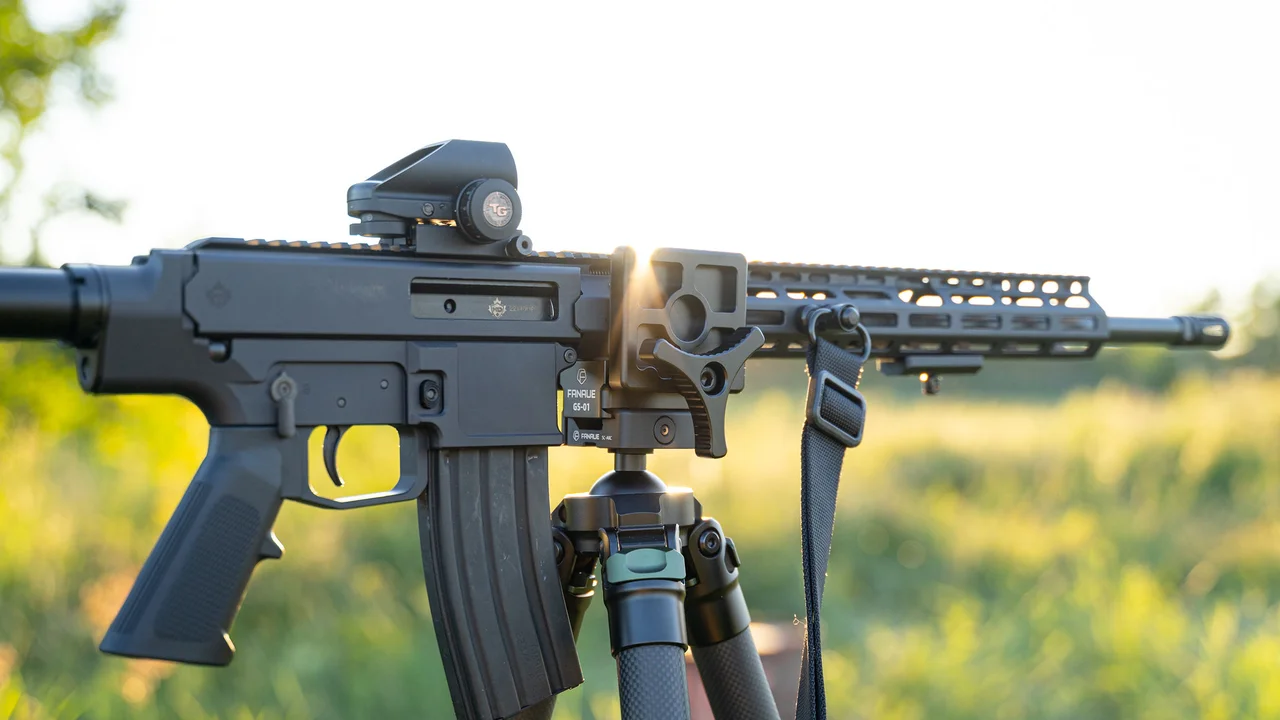
The rifle is on a tripod, yet the sight will not settle on the target. Then a shot breaks, and recoil changes the view again. Those are the hard parts of tripod shooting. The tripod carries the rifle's weight; it does not remove every bit of movement between you and the target.
Support Does Not Mean a Still Sight Picture
Through a scope, a small shift of your body can look much larger. The legs can flex a little; the head can move; so can the rifle where it meets the clamp or bag. That does not mean the tripod is defective. If the sight moves when you lean in, you may be seeing normal movement through magnification. If the head slowly droops on its own or a leg slips shorter, that is a hardware problem.
Getting on Target: Height and Head Control
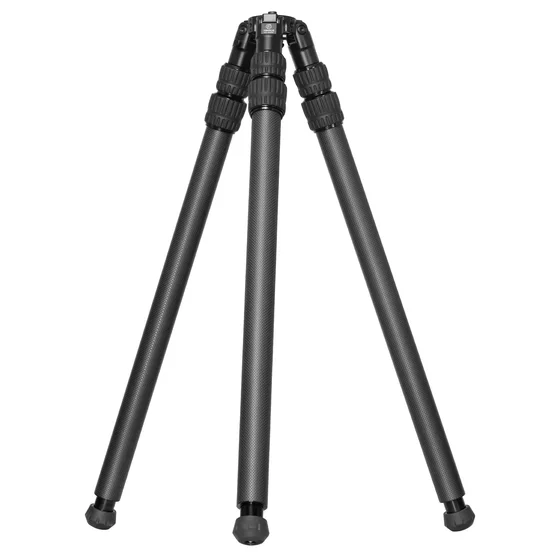
Finding the target can be awkward before a shot is ever fired. Raise the tripod to standing height and more leg tube is exposed; small movements become easier to see. Lower positions can feel less busy when the ground and sight line allow them, but brush or an obstacle may demand more height. The useful height is the one that lets you see and work comfortably, not simply the maximum printed on the box.
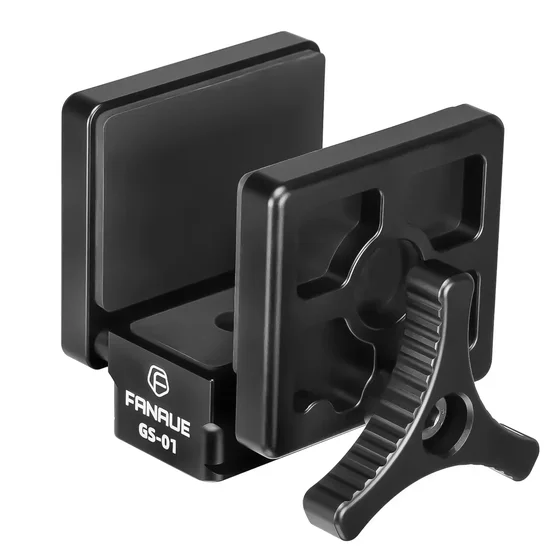
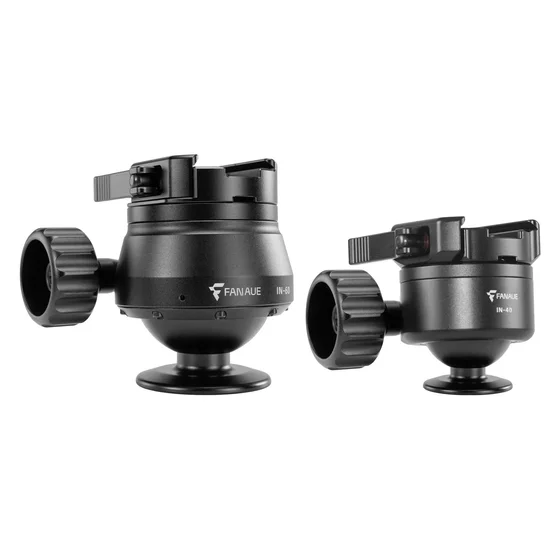
Then there is the head. Too much resistance and it is hard to guide the rifle onto the target. Too little and it may tip when you let go. The clamp has a separate job: holding the rail or plate securely. Loosening the clamp is not a substitute for adjusting the head. If the sight jumps as the head is locked, or the plate slides inside the clamp, those are different problems and deserve different checks.
Clipped In, or Resting on a Bag?
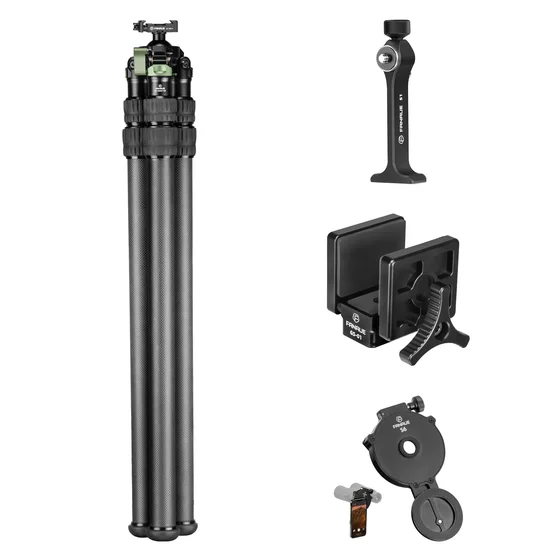
If the rifle has a compatible rail or plate, I would start by clipping it in. The clamp gives it a defined, secure connection to the tripod. The rifle stays attached when you reposition the support, and there is no separate bag and platform to carry. That connection is the main advantage: the rifle cannot shift independently on an unattached rest. It does not, by itself, make the sight picture motionless.
A bag on a flat platform has its place. It can feel familiar if you already use bags on other supports, and it works without a matching rail. At a mostly fixed position, you may find it easier to settle the rifle on the bag than to work through a ball head that feels too stiff or too loose. But the rifle is not attached, and the bag and platform add bulk. For a compatible rifle, I favor direct mounting because the secure connection and simpler kit matter more across different positions. A firmer connection is not proof that every clipped-in setup will show less wobble than every bag setup.
Recoil Is the Part Dry Practice Cannot Copy
It is possible to bring the sight onto a target smoothly and still struggle to find it again after a shot. Dry practice can make the leg locks, head and clamp less distracting. A .22 can also help someone get used to the setup. But neither tells you exactly how a different rifle will move under recoil. Any dry practice should follow the firearm maker's instructions and range rules.
The Takeaway
My conclusion: if the rifle is compatible and nothing is slipping, keep the direct mount and get familiar with it before adding a bag or buying a different tripod. It gives you a secure, simpler setup, even though getting on target and dealing with recoil still take practice. Dry practice can make the controls familiar; a .22 cannot show exactly how another rifle behaves after a shot. Fix any slipping leg, head or clamp before use. If the tripod lacks the height or connection you need, compare those specs when choosing a carbon fiber hunting tripod.