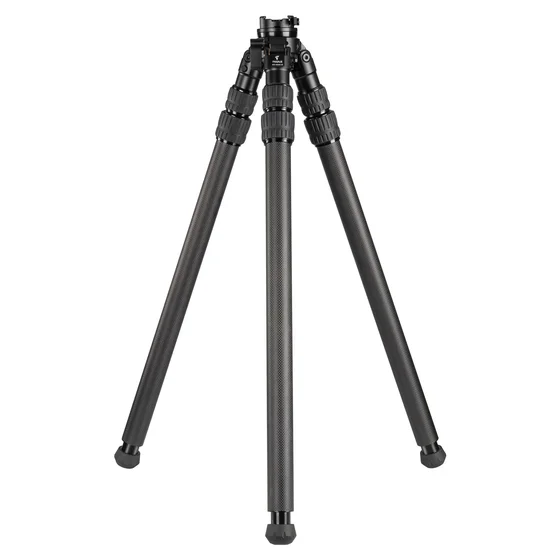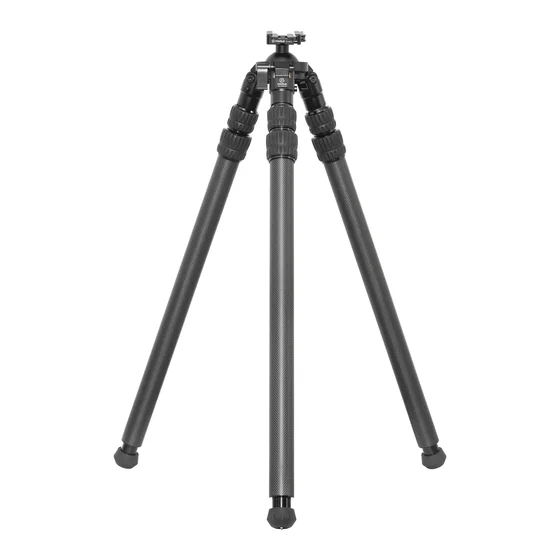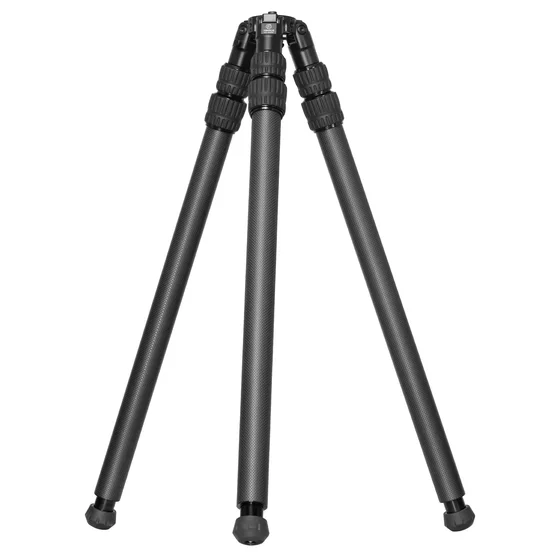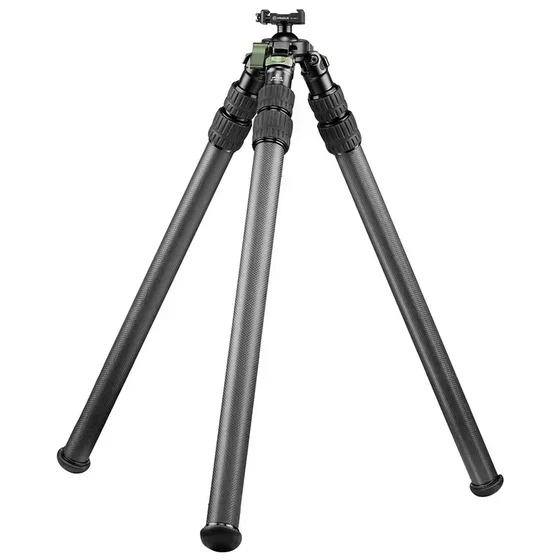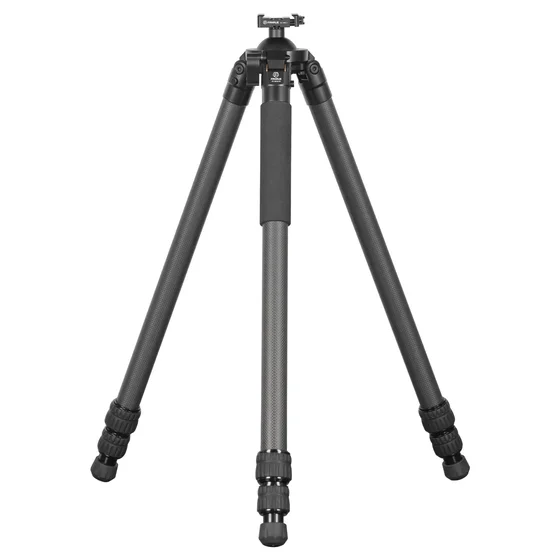
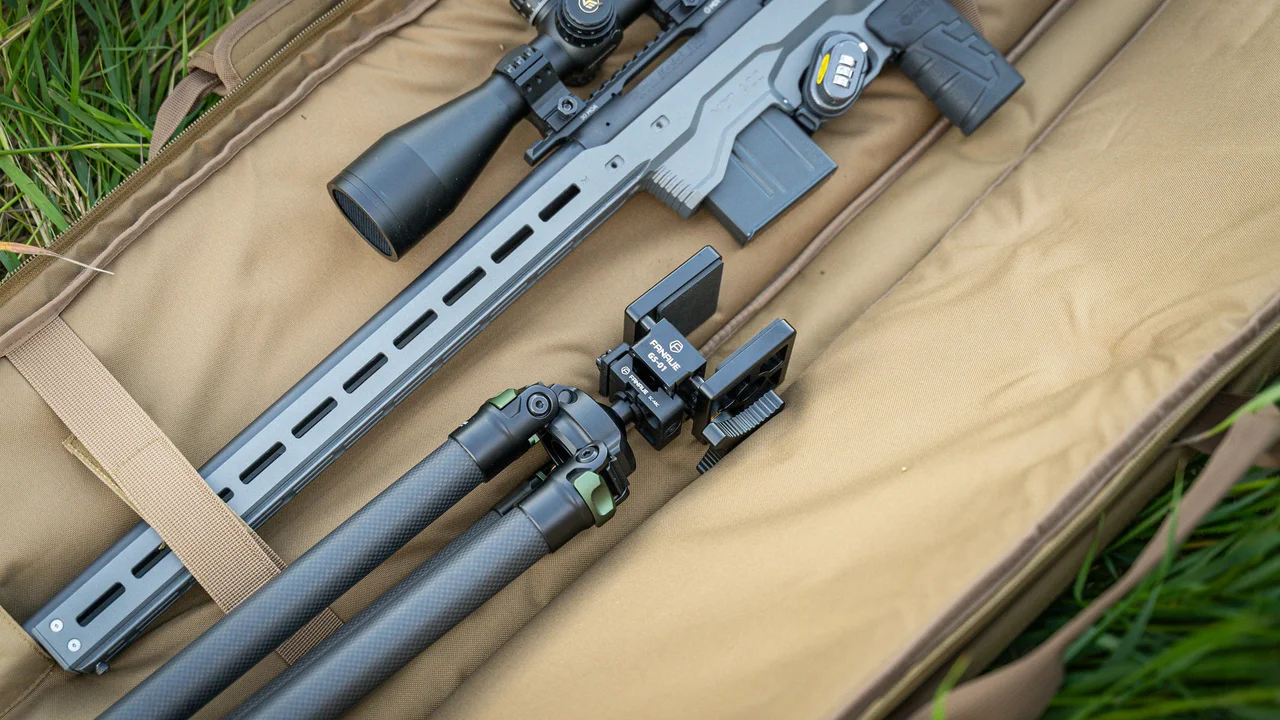
A shooting tripod is a system: legs, head and a way to attach your rifle or optics. The original buyer's guide suggests roughly $300–$600 for the legs and $100–$450 for a ball head as a sensible budget. Treat those figures as a starting point, then price the complete setup. A cheaper set of legs may cost more once you add a head, clamp and adapter.
Start with how you will use it
If your tripod spends most of a match holding binoculars or a spotting scope, choose for a steady view and comfortable observation height. For a PRS shooter who uses it about 95% for observation and 5% as rear rifle support, carrying a much heavier setup solely for rifle use makes little sense. That split is an example, not a rule for every match.
For NRL Hunter or a hunt that involves long walks, carry weight and folded length matter more. Compare the weight with the head and adapters fitted. At a fixed range or near a vehicle, you can give more weight to stiffness and ease of adjustment.
Get the height right
Check three numbers: maximum working height, minimum height and folded length. Maximum height may include the head or a raised center column; confirm which. A raised column gives extra reach but can add movement at the eyepiece. Minimum height matters for low observation; folded length determines whether the tripod fits your pack or case.
A 6ft 2in (188cm) shooter may find a tripod reaching roughly 62–70in (157–178cm) useful. The right height depends on the eyepiece, head, stance and slope. If you observe seated, you may not need that range. If you stand on uneven ground, avoid a model that only just reaches eye level on a flat floor.
Compare sections, locks and tube sizes
With similar maximum height, two-section legs usually fold longer and have one telescoping lock per leg. Three-section legs have two; four-section legs have three and usually pack shorter. If you adjust height often, fewer locks save handling. If the tripod must fit inside a pack, check folded length first.
Inverted legs put the larger tubes lower and can place locks within easier reach. That may help during frequent setup changes, but it does not guarantee a shorter folded tripod.
Do not judge stiffness from the largest tube alone. The HTC-4030A-65 lists 40/36/32mm leg tubes: its final section is 32mm, not 40mm. Compare the smallest section, working height and joint fit before assuming a larger headline diameter will feel steadier.
Use load capacity as a screen
About 40lb (18kg) is a useful first screen for a tripod intended to support both rifles and larger optics. Below that, inspect the setup more carefully. It is not a safety rule or a promise of stability; load ratings depend on the maker's test conditions.
Check the legs and the head separately. For example, the HT-3630-65 lists a 25kg (55lb) load rating and a 2.25kg (4.96lb) net weight with its 65mm ball head. Those numbers help you compare capacity and carrying weight, but they do not say how quickly a high-magnification view settles after a disturbance. The clamp and equipment position matter too.
Choose the head and mounting interface
A ball head should lock without the equipment sagging. Check its controls with gloves and with your usual equipment attached. Independent pan is useful for scanning with optics. A larger ball or a higher load rating alone cannot tell you how smoothly the head moves or how securely it locks.
Arca-style and Picatinny rails use different profiles. Check the clamp against the rail you already own; buy a dual-compatible clamp only if you need both. A saddle can support a rifle without a rail, but confirm its opening fits the stock. Also check the connection under the head: a flat threaded platform and a bowl mount need different hardware.
A 75mm bowl is the tripod's top mounting interface, not the diameter of a ball head. A matching half-ball lets you level the head without resetting all three legs. Buy that interface only if the head or leveling base you plan to use fits it.
Compare current configurations in the Hunting tripod category.