
In the wild, a perfect shot often comes down to your ability to build a rock-solid shooting platform in a matter of seconds. At a few hundred yards, even the slight movement of your breathing can result in a missed target. That is why a reliable shooting tripod for hunting is no longer just an accessory—it is an absolute extension of your arm.
With so many options hitting the market, upgrading your hunting gear can feel overwhelming. As a seasoned hunting guide, I have broken down the technical specs into exactly what matters in the field. Here are the five crucial factors to consider when choosing the best hunting tripod for your next expedition.
1. Material: Carbon Fiber vs. Aluminum
When it comes to tripod legs, your two main choices are carbon fiber and aluminum. Which one you choose depends entirely on your hunting style.
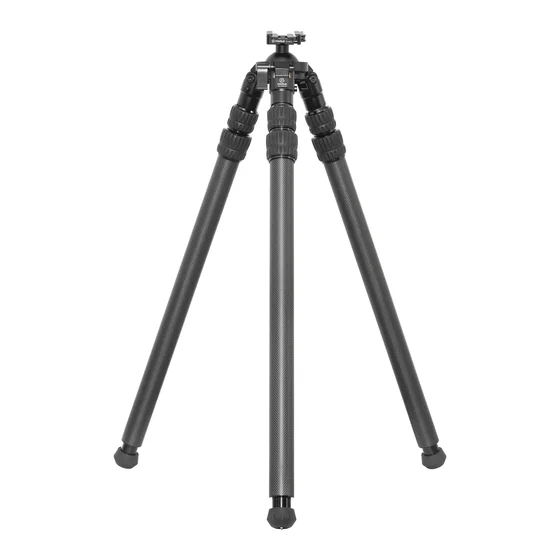
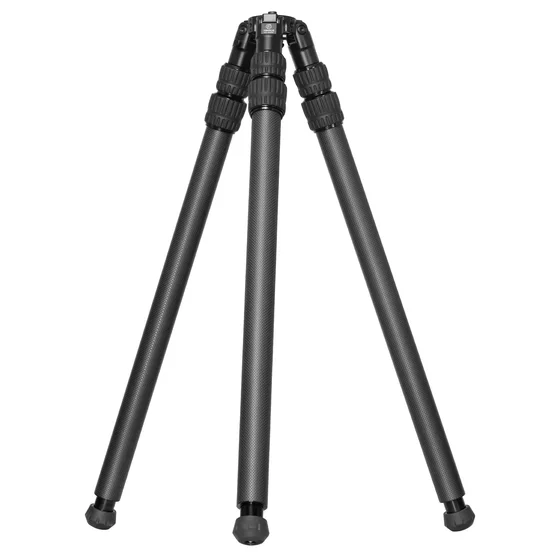
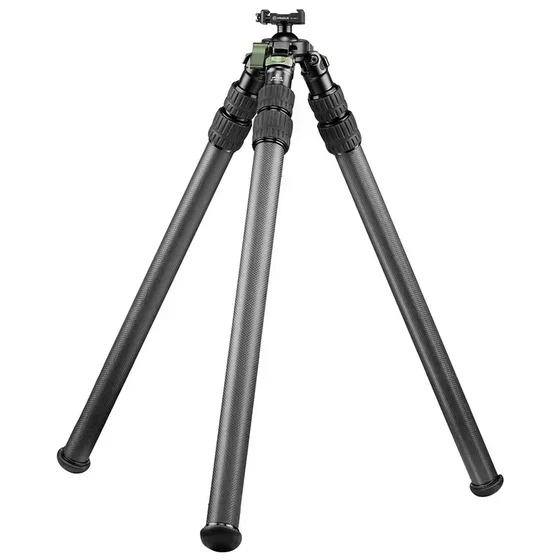
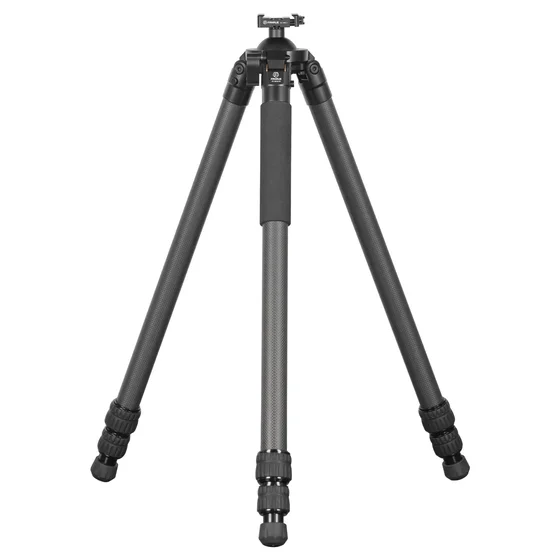
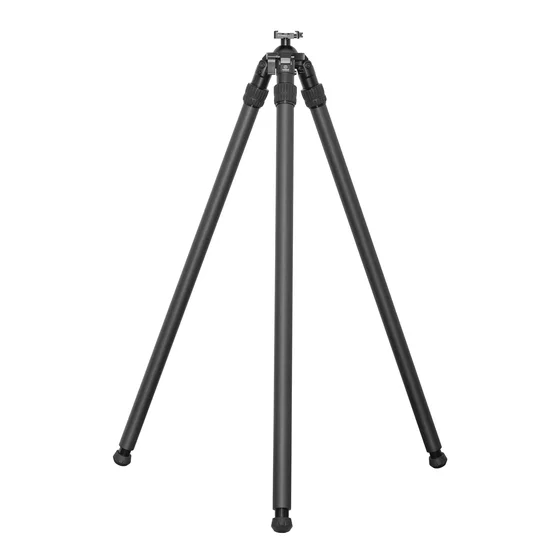
- Carbon Fiber (Top Choice): If you are looking for a lightweight hunting tripod for mountain treks or backcountry hunts, carbon fiber is the undisputed king. It is incredibly light, absorbs the recoil vibration of your rifle much faster than metal, and won't freeze your bare hands in late-season cold weather. The only downside is a higher price point.
- Aluminum: Aluminum is incredibly rugged and more budget-friendly. However, it is heavy. If you primarily use a blind or a fixed position and don't need to carry your gear for miles, an aluminum tripod will serve you perfectly well.
2. Load Capacity (Plan for Redundancy)
One of the biggest mistakes hunters make is buying a tripod based strictly on the exact weight of their rifle. You need redundancy to ensure zero wobble.
As a general rule, calculate the total weight of your rifle, scope, and any attached accessories, then multiply that number by two or three. That final number should be the minimum load capacity of the tripod you purchase. A high load capacity prevents the tripod from "nodding" or sagging under the weight of a heavy hunting rifle.
3. Height Adjustability and Leg Sections
The wilderness rarely offers a flat, perfectly level shooting lane. Your tripod must be able to adapt to you, not the other way around.
- Height Range: Ensure the tripod can drop low enough for a comfortable prone shooting position, and extend high enough for you to shoot comfortably from a standing position.
- Leg Sections: Tripods typically come in 2-section or 3-section designs. A 2-section tripod is slightly more stable and faster to deploy. A 3-section tripod collapses into a much shorter package, making it easier to strap to your backpack. For most mobile hunters, a 3-section carbon fiber hunting tripod offers the best balance of portability and stability.
4. Leg Locks: Twist Locks vs. Flip Locks
Stealth is everything when closing the distance on game. Your gear needs to be silent.
- Twist Locks: Highly recommended for hunting tripods. They are virtually silent to operate, have a lower profile so they don't snag on brush, and generally seal out dirt and water better than flip locks.
- Flip Locks: While they are fast to deploy, they can make a loud metallic "snap" when closed, which can spook wildlife. They are also prone to catching on thick brush.
5. The Tripod Head and Rifle Mounting
The legs provide the foundation, but the tripod head is the soul of your setup.
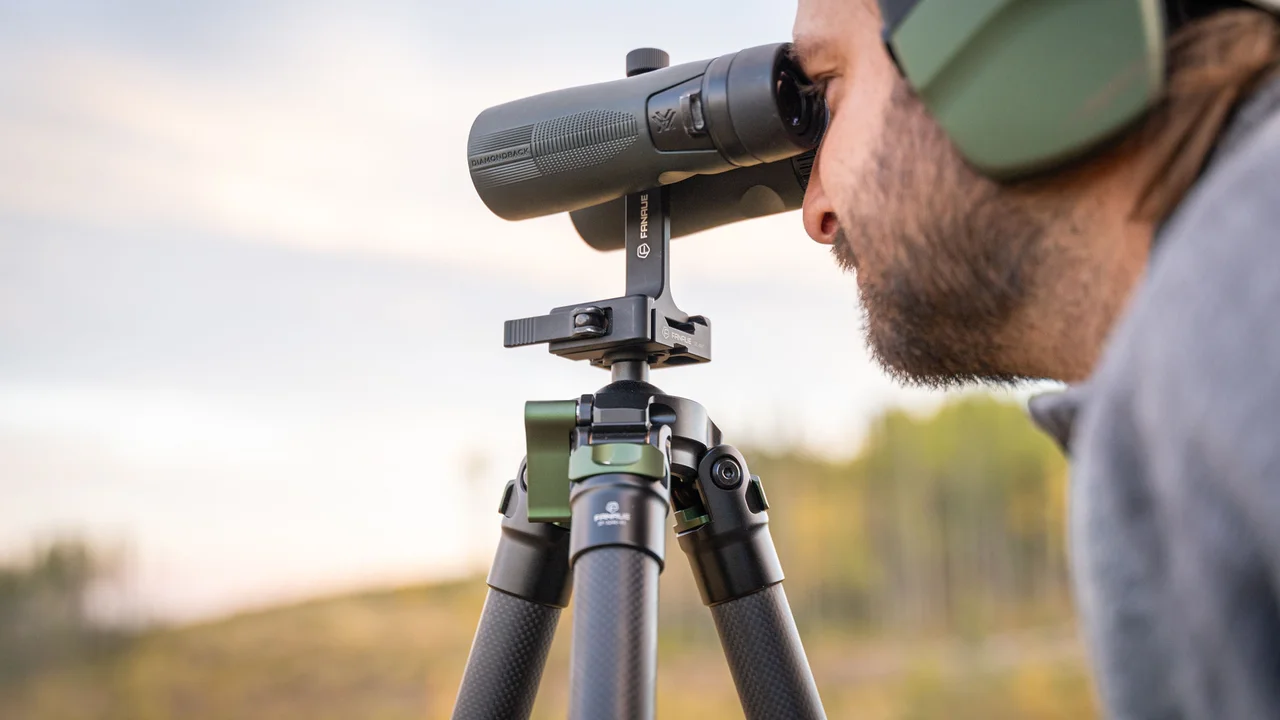
- Ball Heads: This is the superior choice for a rifle shooting tripod. A ball head allows you to instantly level your rifle on uneven terrain, track a moving target smoothly, and lock the gun firmly in place in a split second.
- Direct Mounting (Arca-Swiss): While heavy saddle clamps used to be the standard, the modern approach is the Arca-Swiss system. By mounting an Arca rail directly to the bottom of your rifle's forearm, you can slide the gun directly into the tripod head. It sheds unnecessary weight and creates an incredibly rigid connection.
Pro Tips from the Field
Before you make your purchase, keep these final tips in mind:
- Ditch the Center Column: Try to buy a tripod without a center column. Extending a center column introduces a "pendulum effect" that ruins stability. Plus, tripods without center columns can splay their legs completely flat for prone shooting.
- Look for an Anchor Hook: A small hook at the bottom of the tripod apex is a game-changer. You can hang your backpack from it to add dead weight, which drastically improves stability on windy days.
Final Thoughts
Do not cut corners on your shooting support. Think of your tripod as an investment on par with your optics. A lightweight, 3-section carbon fiber tripod paired with a quality Arca-compatible ball head is currently the ultimate setup for precision hunting.